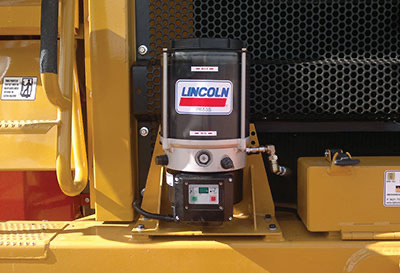
In today’s fast-paced industrial landscape, ensuring machinery operates efficiently and reliably is crucial for productivity and profitability. One technology that has revolutionized equipment maintenance is the centralized lube system. By automating the lubrication process, this system not only improves operational efficiency but also significantly reduces maintenance costs, downtime, and equipment wear.
What is a Centralized Lubrication System?
A centralized lube system is an automated lubrication solution designed to deliver precise amounts of lubricant to multiple points on machinery simultaneously. Unlike traditional manual lubrication, which relies on operators to apply grease or oil periodically, a centralized system ensures consistent lubrication at the right time and in the right quantity. This is particularly valuable for complex industrial equipment with numerous moving parts, where uneven lubrication can lead to premature wear and costly repairs.
Key Benefits of a Centralized Lube System
1. Enhanced Equipment Longevity
Regular and precise lubrication is essential to prevent friction and wear in mechanical components. A centralized lube system ensures that every critical part receives the correct amount of lubricant, reducing the risk of overheating, seizing, or other forms of mechanical failure. This directly extends the lifespan of machinery and protects your investment in high-value equipment.
2. Reduced Maintenance Costs
Manual lubrication can be labor-intensive and error-prone, often resulting in over-lubrication or under-lubrication. Both scenarios lead to additional maintenance costs—either from wasted lubricant or from repairing damaged components. With a centralized lube system, lubrication is automated, precise, and consistent, cutting down on maintenance frequency and associated labor costs.
3. Increased Operational Efficiency
Downtime for lubrication and maintenance can disrupt production schedules and impact overall efficiency. By implementing a centralized lube system, maintenance becomes predictable and less frequent, allowing machinery to operate continuously at optimal performance. This system also frees up staff to focus on other critical tasks, enhancing overall operational productivity.
4. Improved Safety and Compliance
Industrial maintenance often exposes workers to hazardous environments, heavy machinery, or toxic lubricants. A centralized lube system minimizes human intervention, reducing the risk of workplace injuries. Additionally, precise lubrication helps prevent equipment failures that could lead to safety incidents, ensuring a safer work environment and compliance with industrial safety regulations.
5. Environmentally Friendly Operation
Excessive or improper lubrication can result in lubricant spills and wastage, which are harmful to the environment and costly to clean. A centralized lube system delivers exactly the amount needed, minimizing waste and contributing to more sustainable operations.
Applications of Centralized Lubrication Systems
Centralized lubrication systems are widely used in industries that rely heavily on machinery, including:
-
Mining and Construction: Heavy-duty equipment like excavators, loaders, and trucks benefit immensely from automated lubrication to ensure reliability in harsh conditions.
-
Manufacturing: Production lines with multiple moving parts require consistent lubrication to maintain efficiency and product quality.
-
Agriculture: Tractors, harvesters, and other machinery benefit from reduced downtime and maintenance costs.
-
Transport and Logistics: Fleet vehicles and transport machinery operate more reliably with centralized lubrication, reducing unexpected breakdowns.
Choosing the Right Centralized Lube System
Selecting the appropriate centralized lube system depends on factors like equipment type, operating environment, lubricant type, and the number of lubrication points. Modern systems often come with programmable controllers, monitoring capabilities, and remote management features, allowing for real-time performance tracking and preventive maintenance scheduling.
Conclusion
Investing in a centralized lube system is more than just an upgrade—it's a strategic move toward operational efficiency, cost reduction, and machinery longevity. By automating lubrication, industries can significantly cut maintenance costs, reduce downtime, enhance worker safety, and protect the environment. Whether you are operating heavy machinery in mining, manufacturing, or transport, a centralized lube system is a reliable solution to maximize performance and minimize maintenance challenges.

 Arabic
 French
 Spanish
 Portuguese
 Deutsch
 Turkish
 Dutch
Dutch
 Italiano
 Russian
 Romaian
 Portuguese (Brazil)
 Greek
Greek