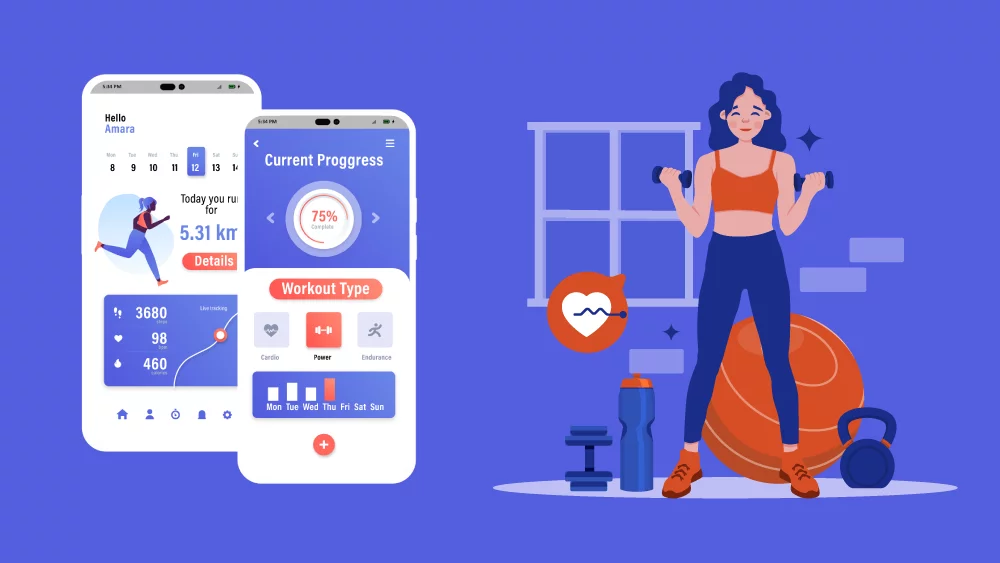
The distribution of the Fitness App Market Share presents a fascinating paradox: the market is simultaneously highly fragmented and dominated by a few clear leaders in distinct categories. While thousands of apps compete for downloads, a handful of well-established brands have successfully captured a disproportionately large share of user engagement and revenue. This leadership is not held by a single company across the board but is divided among specialists who excel in a specific vertical. For instance, in the world of nutrition and calorie tracking, MyFitnessPal has long held a commanding position, leveraging its massive food database and early market entry. In the realm of activity tracking for runners and cyclists, Strava has built an incredibly strong, defensible moat around its vibrant and competitive community. In the rapidly growing mental wellness segment, Calm and Headspace have become household names, defining the category and capturing the lion's share of paying subscribers.
The competitive landscape is being significantly reshaped by the entry of major hardware manufacturers and established athletic brands. Apple, with its Fitness+ service, is leveraging its massive installed base of iPhone and Apple Watch users to quickly gain market share. By deeply integrating its fitness service with its hardware, Apple creates a seamless, high-quality user experience that is difficult for third-party developers to replicate. Google is pursuing a similar strategy following its acquisition of Fitbit. On the other hand, traditional sportswear giants like Nike and Adidas have also carved out a significant share with their own training club apps (NTC and Runtastic). They effectively use their powerful global brands and marketing machines to attract users, often offering their apps for free as a way to build brand loyalty and drive sales of their physical apparel and footwear.
While the titans battle for broad market dominance, a thriving ecosystem of niche players continues to capture a meaningful market share by catering to specific, underserved audiences. These companies succeed by going deep rather than broad. For example, apps like Jefit and StrongLifts 5x5 have built a loyal following among serious weightlifters by providing detailed workout tracking and progression tools that are far superior to the more generalized offerings of the major platforms. AllTrails has become the go-to app for hikers by focusing exclusively on trail maps and reviews. Other apps focus on specific demographics, such as prenatal and postnatal fitness for new mothers, or low-impact workouts for seniors. This specialization allows smaller players to build a passionate community and achieve profitability by serving a dedicated audience that is often overlooked by the larger, one-size-fits-all platforms.
The strategies for capturing and growing market share in this crowded space are multifaceted. The freemium model remains the primary user acquisition strategy, allowing companies to cast a wide net and then focus on converting the most engaged users to a paid subscription. Building a strong community is another critical strategy; companies like Strava and Peloton have shown that a sense of belonging and competition is a powerful driver of retention. Influencer marketing is also paramount, with companies partnering with well-known fitness personalities to promote their apps. Finally, mergers and acquisitions (M&A) are playing an increasingly important role. Larger companies are acquiring smaller, innovative startups to quickly enter new market segments, acquire unique technology, or onboard a new user base, leading to ongoing consolidation in the industry.
Explore More Like This in Our Regional Reports:
US Network Management Market Share

 Arabic
 French
 Spanish
 Portuguese
 Deutsch
 Turkish
 Dutch
Dutch
 Italiano
 Russian
 Romaian
 Portuguese (Brazil)
 Greek
Greek