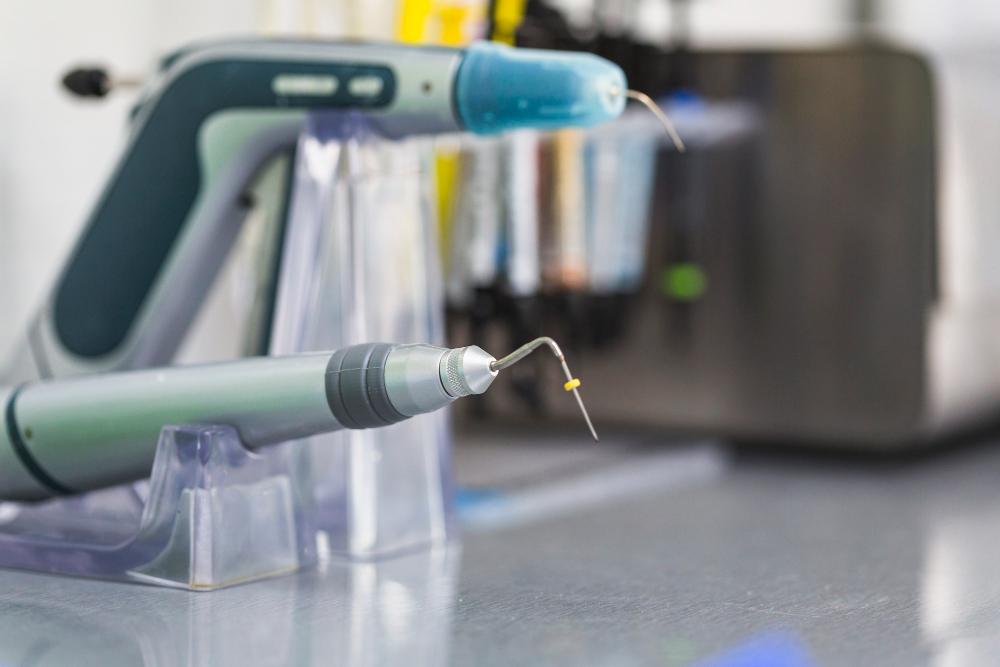
Dental Irrigator for Implants and Normal Cleaning Methods
Maintaining excellent oral hygiene is essential for everyone. It becomes even more important when you have dental implants or dentures. A dental irrigator, sometimes called a dental drencher, has grown in popularity. It helps clean hard-to-reach areas and supports overall gum health. This guide explains what a dental irrigator is, how it works, how it benefits dental implants, and the best everyday cleaning methods you should follow.
Visit Now: https://www.diagnopein.com/dental-clinic/Mumbai
What Is a Dental Irrigator (Dental Drencher)?
A dental irrigator is a device that delivers a steady stream of water or antibacterial solution between teeth and along the gumline. It uses gentle pressure to remove plaque, food particles, and bacteria from areas that brushing and flossing may miss.
Unlike traditional tools, a dental irrigator takes cleaning deeper into spaces around the gumline, under bridges, and around implants. Its main goal is to improve oral hygiene without causing damage.
Why Use a Dental Irrigator?
Dental irrigators are recommended by many dental professionals for several reasons:
- Deeper Cleaning: They reach areas where regular brushing cannot.
- Gentle on Gums: Safe for sensitive tissues and reduces inflammation.
- Improves Gum Health: Helps prevent gum disease and bleeding gums.
- Supports Implants & Orthodontics: Ideal for people with braces, bridges, dentures, and dental implants.
For patients with implants, maintaining hygiene is crucial because bacterial buildup can lead to peri-implantitis — a serious infection around the implant site. A dental irrigator helps reduce this risk by flushing away harmful bacteria that accumulate around the implant surface.
How Does a Dental Irrigator Work?
Dental irrigators work with a reservoir, a pump, and a replaceable tip. When activated, the irrigator releases a controlled stream of water. The stream enters the spaces between teeth, along the gumline, and around dental work such as implants.
Here is how to use it effectively:
- Fill the Reservoir: Use lukewarm water or an antimicrobial rinse recommended by your dentist.
- Adjust Pressure: Start with a low setting, especially if you are new to irrigators.
- Lean Over Sink: This prevents splashing.
- Direct the Tip: Aim the stream between each tooth and around the gumline.
- Clean Both Arches: Take extra care along implant sites and gum pockets.
- Rinse the Device: Clean the reservoir and tip after use to prevent bacteria growth.
Most models also come with interchangeable tips. Your dentist may recommend a specific tip type depending on your dental needs.
Benefits of Using a Dental Irrigator
A dental irrigator offers many advantages, particularly for implant care and daily oral hygiene:
- Reduces Plaque and Bacteria
Plaque forms when bacteria stick to the surface of teeth and implants. Traditional brushing may miss areas near the gumline or between teeth. A dental irrigator effectively flushes out these areas, reducing bacterial buildup.
- Improves Gum Health
Gum inflammation and bleeding are early signs of gingivitis. Regular irrigation can reduce inflammation and support healthy gums.
- Safe for Implants
Dental implants require special care. Brushing and flossing can protect implants, but a dental irrigator adds an extra layer of cleanliness by reaching places that floss may not fully access.
- Helpful for People with Braces or Bridges
Braces and bridges create spaces that are hard to clean. A dental irrigator flows through these spaces, removing trapped debris.
- Comfort and Ease of Use
For many people, especially those with arthritis or limited dexterity, irrigators are easier to use than string floss.
Normal Cleaning Methods You Should Follow
While a dental irrigator is a valuable tool, it should not replace daily brushing and flossing. It works best alongside these practices.
Here are the essential cleaning methods for every oral hygiene routine:
- Brushing Your Teeth Properly
Brush at least twice a day, preferably in the morning and before bed.
- Use a soft-bristled toothbrush.
- Brush for two minutes each time.
- Hold the brush at a 45-degree angle to the gumline.
- Use gentle circular motions on all tooth surfaces.
- Don’t forget the tongue to remove bacteria and freshen breath.
Electric toothbrushes can offer more consistent movement and may help remove more plaque.
- Daily Flossing
Floss at least once a day.
- Use about 18 inches of floss.
- Slide it gently between teeth.
- Curve the floss around each tooth.
- Avoid snapping floss into the gums.
If traditional flossing is difficult, consider floss picks or water flossing for assistance.
- Rinsing With Mouthwash
A mouthwash with fluoride or antibacterial properties can help reduce plaque and freshen breath.
- Choose alcohol-free formulas if you have sensitive gums.
- Rinse for 30 seconds after brushing or irrigating.
Mouthwash should complement brushing and flossing, not replace them.
- Cleaning Around Dental Implants
Implants need careful care, including:
- Soft-bristled toothbrushes to avoid scratching implant surfaces.
- Non-abrasive toothpaste to protect the implant.
- Interdental brushes with soft bristles, only if recommended by your dentist.
- Dental irrigators to flush bacteria and food particles around the implant.
Always follow your dentist’s specific instructions for implant care.
- Regular Dental Visits
Even with excellent home care, professional checkups are necessary:
- Dental cleanings every six months.
- More frequent visits if you have periodontal disease or implants.
- Your dentist can spot early issues before they become serious.
Dental Irrigator Tips for Best Results
To optimize the benefits of your dental irrigator:
- Replace tips every three to six months.
- Use warm water to avoid sensitivity.
- Add an antimicrobial rinse if recommended.
- Never aim the stream forcefully into the gumline — be gentle.
- Always clean the device after use.
- Start with low pressure and increase as needed.
Conclusion
A dental irrigator (dental drencher) is a powerful addition to daily oral care. It supports implant health, improves gum hygiene, and enhances the effectiveness of brushing and flossing. When used properly, it helps reduce plaque and bacterial buildup, especially in hard-to-reach areas.
However, it should not replace core habits like brushing, flossing, and dental checkups. Instead, use it as a complementary tool. With consistent care and the right techniques, you can maintain stronger, healthier teeth and gums—whether you have natural teeth, implants, or dentures.

 English
 Arabic
 French
 Spanish
 Portuguese
 Turkish
 Dutch
Dutch
 Italiano
 Russian
 Romaian
 Portuguese (Brazil)
 Greek
Greek