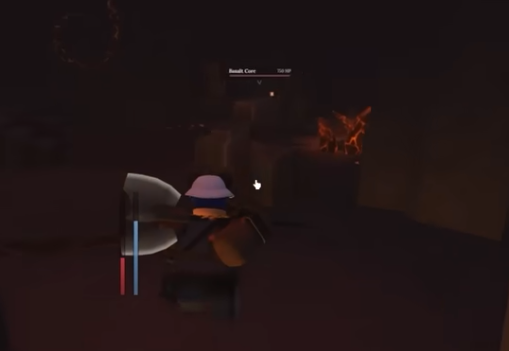
Farming ore in Roblox The Forge can feel incredibly rewarding once you get into the rhythm, but a lot of players still wonder: What’s the best way to gather ore efficiently without wasting stamina, time, or tools? Let’s break that down step by step.
What Makes Ore Farming Worth the Time?
If you’re trying to craft stronger weapons, improve your gear, or unlock higher-tier materials, ore becomes the backbone of your progression. So the big question is: Why do players spend so much time in the mines instead of doing other activities?
The answer is simple. Mining gives you consistent resource growth with almost no risk, especially when compared to combat grinding. Since crafting depends heavily on ore, you’re basically investing in long-term progression every time you swing your pickaxe. And honestly, once you get used to the rhythm of mining runs, it’s actually pretty relaxing. Roblox games like The Forge really shine in these moments where you get lost in the loop.
Where Should You Start Mining for the Best Results?
A lot of players ask: Which mining zones give the best ore for early and mid-game?
From my experience, the best approach is to start in the low-tier caves to build up basic materials, then move upward as soon as your pickaxe allows. The deeper zones give better ore density, but the enemies and environmental hazards become trickier too. When you finally reach the Underground Fault or the Ember Caverns, you’ll really feel the jump in quality. These spots refill fast and have tight routes that make them perfect for continuous farming.
At this stage, some players like to streamline their progression by looking for ways to buy The Forge items to fill specific gaps in crafting. While it’s completely optional, it can save time if you want to focus more on mining routes rather than grinding materials from combat.
How Do You Improve Your Mining Speed?
Many players ask: Is there a way to mine faster without relying on high-tier tools?
Absolutely. Tool upgrades matter, but they’re not the whole story. Here are a few small tricks that helped me more than I expected:
-
Time your swings; some animations let you move slightly between hits.
-
Build a simple loop route so you’re never doubling back.
-
Pick ore clusters rather than single nodes.
-
Watch for glowing nodes, since they usually give bonuses or higher yield.
Another small tip: don’t ignore buff consumables. Even minor bonuses can speed things up when you’re mining for long sessions. And if you ever get stuck waiting on tool repairs or inventory space, U4GM sometimes gets mentioned by players in community discussions because of how often people talk about resource planning there. It’s one of those side references you end up seeing when you dig through player guides or forums.
How Do You Avoid Wasting Time on Long Mining Routes?
A common frustration is: Why does it sometimes feel like a mining run takes forever with very little payoff?
Honestly, most of that comes down to route planning. The Forge has several mine layouts that seem huge at first glance, but once you learn the flow, they become incredibly efficient. I recommend focusing on circular routes instead of going deep in one direction. Circular paths ensure that ore respawns by the time you loop back.
At certain stages, some players also choose to pick up cheap The Forge items when they want to ease crafting pressure or skip low-tier bottlenecks. It’s definitely not something you need to do, but I’ve seen players mention it as a way to smooth out the grind, especially when you’re aiming for consistent mining cycles.
Which Pickaxe Upgrades Matter the Most?
Another big question players ask is: Should I focus on power, durability, or special effects when upgrading my pickaxe?
If your goal is pure ore farming, durability and mining speed usually give you the best value early on. Power becomes important only when you start needing to break tougher ore nodes quickly. As for special effects, anything that increases yield or reduces stamina usage is a win. Some effects seem small at first, but over a full run, they make a massive difference.
If you can afford to experiment, try switching between two different pickaxe builds for different zones. It feels great tailoring your tools to the area you’re farming.
How Can You Stay Safe While Mining in Enemy-Filled Zones?
Players often wonder: What’s the safest way to mine when enemies patrol the deeper caves?
The trick is to avoid unnecessary fights. You don’t need to clear every enemy. Instead:
-
Watch enemy paths and mine between their patrol cycles.
-
Use slope elevation to break line-of-sight.
-
Don’t run straight through narrow tunnels without checking corners.
-
Keep a backup escape route; the deeper zones have multiple exits.
Mining safely means more ore and fewer wasted respawns. Over time, you’ll memorize the enemy patterns without even thinking about it.
Final Thoughts: Is Ore Farming Worth Mastering?
If you’re wondering: Is it really worth investing time into mastering ore routes and mining techniques? Absolutely. Mining is one of the most stable, reliable, and low-stress ways to build up resources in The Forge. Once you get the right rhythm, a good pickaxe, and a well-planned route, you can gather a surprising amount of ore in a single session.
Whether you prefer exploring every cave or running tight loops in your favorite spot, ore farming will always stay at the core of progression. And for players who love the crafting and upgrading side of Roblox games, this loop is genuinely satisfying.
Game Guide: Roblox The Forge Recipes Guide: Best Crafts, Materials, and Tips

 English
 Arabic
 French
 Spanish
 Portuguese
 Deutsch
 Turkish
 Italiano
 Russian
 Romaian
 Portuguese (Brazil)
 Greek
Greek